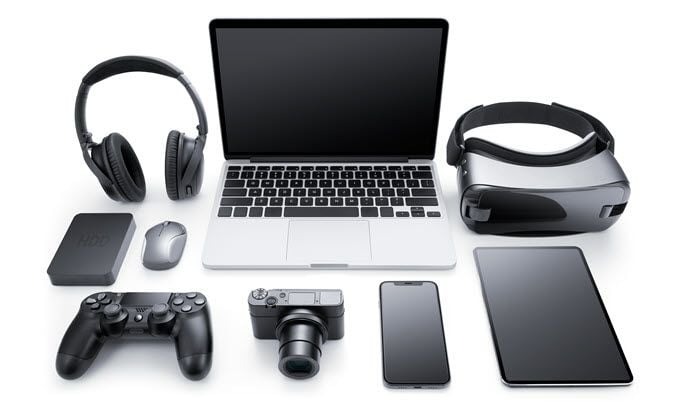
In today’s fast-moving world, electronics are the heartbeat of modern life. From the smartphone in your hand to the car you drive, and even the appliances in your kitchen — electronics are everywhere. They make our lives easier, faster, and more connected.
This blog will take you through the importance of electronics, how they’ve evolved, the latest trends in the tech industry, and how they continue to shape the future of innovation and human progress.
⚙️ What Are Electronics?
In simple terms, electronics is the branch of science that deals with electrical circuits, devices, and systems that use electricity to perform tasks. It includes everything from tiny microchips to massive industrial machines.
Electronics control, process, and transmit information — making them essential to nearly every modern technology.
Examples of everyday electronic devices include:
- Smartphones and tablets
- Televisions and computers
- Washing machines and refrigerators
- Cars, drones, and robots
Without electronics, the digital age wouldn’t exist.
💡 The Importance of Electronics in Daily Life
Electronics have revolutionized how we work, communicate, and live. Here are a few ways they impact our everyday lives:
- Communication: Smartphones, laptops, and the internet connect billions of people across the globe.
- Education: Online learning platforms and digital classrooms rely on electronics.
- Healthcare: Modern medical equipment helps diagnose and treat diseases faster and more accurately.
- Transportation: Electric cars, GPS systems, and automated systems make travel safer and more efficient.
- Entertainment: From smart TVs to gaming consoles, electronics keep us entertained 24/7.
- Home Automation: Smart home devices like Alexa, smart lights, and security systems make life convenient and secure.
Electronics have become the backbone of modern civilization, powering every aspect of our daily routines.
⚡ The Evolution of Electronics
The journey of electronics is one of the most fascinating stories in human innovation.
- 19th Century: It began with the discovery of electricity and the invention of the light bulb by Thomas Edison.
- Early 20th Century: The invention of the vacuum tube led to the first radios and televisions.
- 1940s–1950s: The creation of transistors and semiconductors transformed the industry — making devices smaller and faster.
- 1970s–1980s: The birth of computers and microprocessors revolutionized technology forever.
- 2000s–Today: Smartphones, AI, IoT, and wearable devices dominate the digital age.
Each decade has brought breakthroughs that changed the way we live and work — and the pace of innovation continues to accelerate.
🤖 Latest Trends in Electronics (2025 and Beyond)
The future of electronics is smarter, greener, and more connected than ever before. Here are the top trends shaping the electronics industry in 2025:
- Artificial Intelligence (AI):
AI-powered devices can think, learn, and make decisions. From voice assistants to smart cars, AI is changing everything. - Internet of Things (IoT):
IoT connects everyday devices — from refrigerators to security cameras — allowing them to communicate and operate automatically. - Wearable Technology:
Smartwatches, fitness trackers, and health monitors help people track their health in real-time. - Green and Sustainable Electronics:
Eco-friendly materials and energy-efficient devices are becoming the new standard as companies aim to reduce electronic waste. - 5G Connectivity:
Faster internet speeds and low latency are making remote work, online gaming, and smart cities possible. - Quantum Computing:
Still in development, quantum computers promise unimaginable processing power that could revolutionize science and technology. - Flexible and Foldable Devices:
Foldable phones and bendable screens are redefining portability and design innovation.
🔋 How Electronics Shape the Future
Electronics are the foundation of modern innovation. They are driving smart cities, electric vehicles, space exploration, and digital transformation.
- Smart Homes: Automation allows homeowners to control lights, temperature, and security with voice or phone commands.
- Electric Vehicles (EVs): Companies like Tesla and BYD are leading the electric revolution, reducing fuel dependence and carbon emissions.
- Healthcare Innovation: Electronic implants and diagnostic devices are saving lives daily.
- Space and Defense: Satellites, drones, and AI-driven robots are transforming national security and space research.
The future will rely even more on intelligent electronics that learn, adapt, and improve over time.
🔌 The Benefits of Using Modern Electronics
Modern electronics make life simpler, safer, and more efficient. Here are just a few benefits:
✅ Time-saving: Automation reduces manual effort and speeds up work.
✅ Energy-efficient: New devices consume less power and protect the environment.
✅ Increased productivity: Businesses rely on electronics to manage data and improve performance.
✅ Accessibility: Electronics bridge global gaps in education, health, and communication.
✅ Innovation: Electronics spark creativity — from smart homes to self-driving cars.
♻️ Challenges: The Dark Side of Electronics
While electronics make life easier, they also bring challenges that must be addressed:
⚠️ E-waste: Millions of tons of discarded gadgets pollute the environment each year.
⚠️ Energy consumption: Many electronic devices still use large amounts of power.
⚠️ Data privacy: With smart devices connected to the internet, data protection has become a serious concern.
⚠️ Short lifespan: Fast-changing technology means devices become outdated quickly.
To create a sustainable future, it’s important to recycle old electronics and support eco-friendly tech companies.
🧠 How to Keep Up with the Fast-Changing Electronics World
Technology changes quickly — but you can stay updated with a few simple steps:
- Follow tech news sites and YouTube channels.
- Learn basic electronics and coding to understand how devices work.
- Attend webinars or tech expos.
- Invest in gadgets that last longer instead of chasing every new release.
Being tech-smart helps you make better choices and stay ahead of the curve.
🌍 The Future of Electronics: Smarter, Smaller, and Sustainable
Tomorrow’s electronics will be smarter, smaller, faster, and greener.
From AI-driven robots to renewable energy systems, electronics will continue to bridge the gap between humans and technology.
In the coming years, we can expect:
- Fully automated homes
- Electric transportation everywhere
- Medical breakthroughs through bioelectronics
- Smarter, more efficient energy systems
The goal is clear: to use electronics not just for comfort, but for a sustainable and connected world.
⚡ Final Thoughts: Electronics Empower the Modern World
Electronics are no longer a luxury — they’re a necessity. They connect people, drive innovation, and power every major industry on the planet.
As we move into an era of smart technologies, it’s important to use electronics wisely and sustainably.
Whether you’re a tech enthusiast or just someone who loves gadgets, remember: every innovation starts with a spark of electricity — and a spark of human imagination.
Let’s embrace electronics responsibly and create a future that’s bright, efficient, and sustainable. 🌟


No Comments
Leave Comment